

Our annual exhibition, “Gajyuku-ten”
Art includes having others see your work
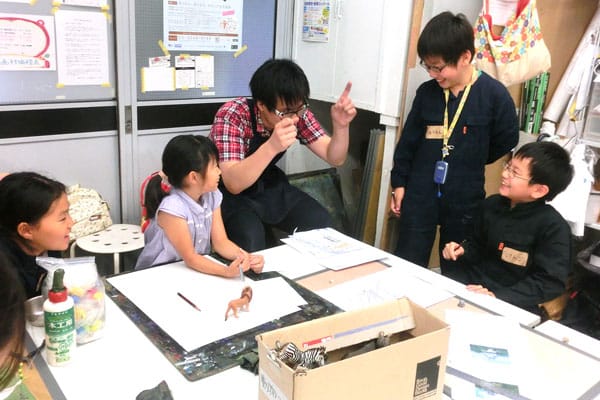
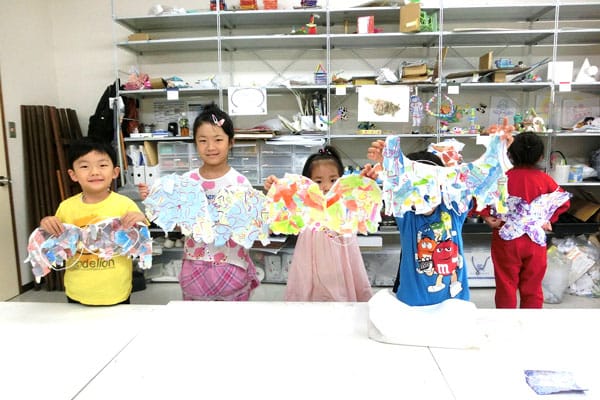
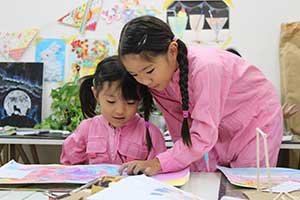
Creating art — drawing and making — is great fun in itself, something children can lose themselves in. But showing finished works to others, together with the process and the thoughts behind them, is a vital element that also drives children to draw and make. As with piano or ballet, a chance to present becomes a goal, and a joyful place to express feelings and communicate.
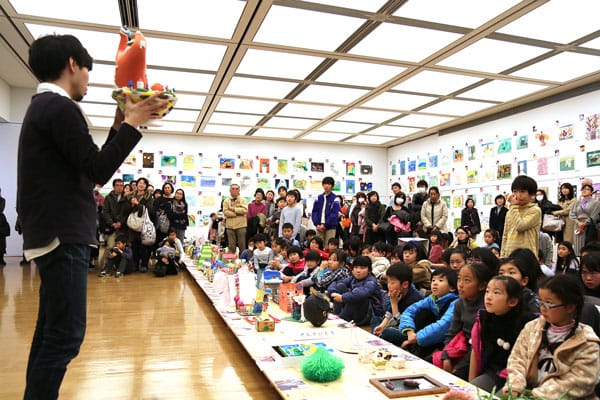
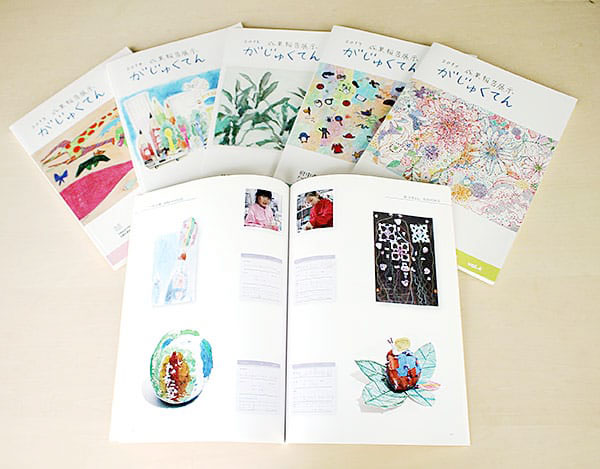
At GAJYUKU we hold an annual exhibition titled “Gajyuku-ten” once a year as part of our lessons. Afterwards, to mark the end of the year, we produce an exhibition catalog with the exhibited works, the artists’ comments and their portraits, and give it to every exhibitor.
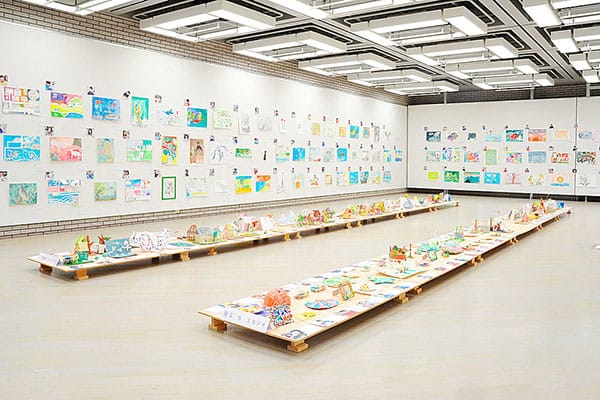

Gajyuku-ten 2025 — Annual Exhibition
■ Dates
Saturday, December 20 & Sunday, December 21, 2025
■ Opening hours
20th 10:00–17:00 / 21st 10:00–15:00
(*On the final day the exhibition closes at 15:00 for take-down.)
■ Venue
Yokohama Civic Art Gallery Azamino, 1F & 2F, Exhibition Rooms 1 & 2 (free admission)
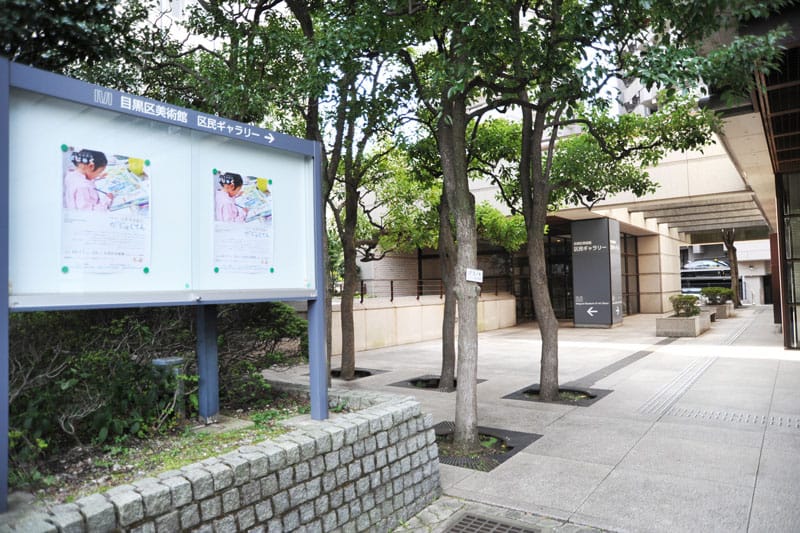
Yokohama Civic Art Gallery Azamino, Art Forum Azamino, 1-17-3 Azamino-minami, Aoba-ku, Yokohama
■ Organizer
GAJYUKU Art School for Children — “Gajyuku-ten” Organizing Committee
■ Enquiries
TEL: 090-1775-5480 E-mail: gajyuku@gajyuku.com
■ Access
[By train]
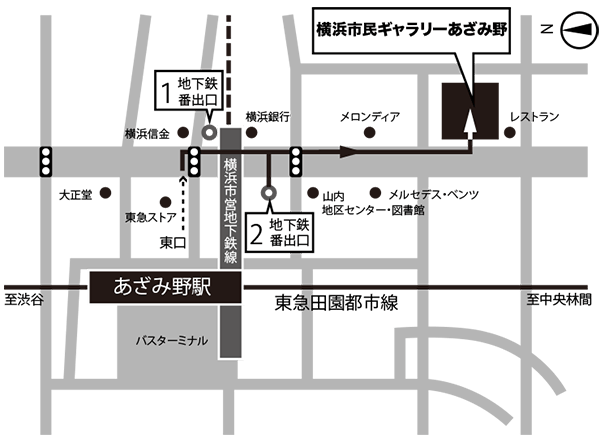
5-min walk from the East Exit of Azamino Station (Tokyu Den-en-toshi Line)
5-min walk from Exits 1 & 2 of Azamino Station (Yokohama Municipal Subway)
[By car]
From the Tomei Expressway Aoba IC, take Route 246 toward Shibuya,
and turn left at the “Eda-eki Higashi” intersection
Greetings
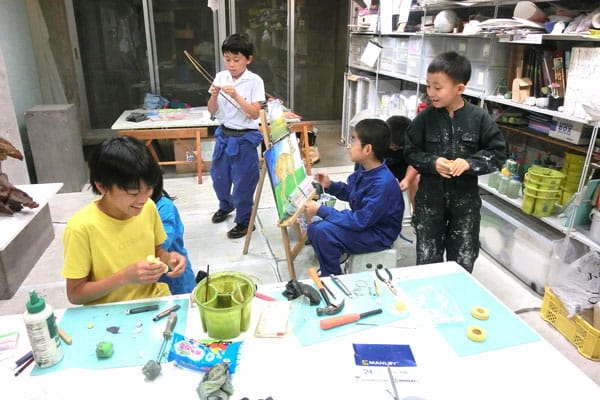
GAJYUKU Art School for Children provides art education that values the creative process to children from age 3 through elementary school, at 12 small studios.
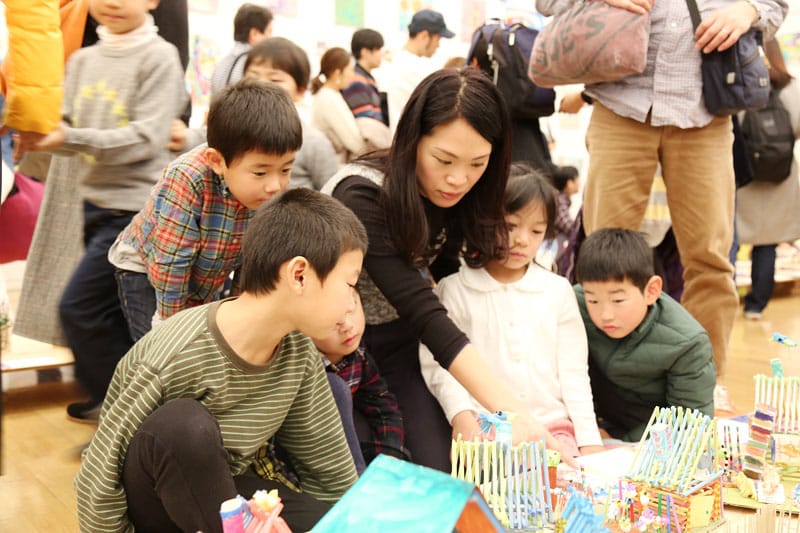
We planned this exhibition so that many people could see the work of the children who learn art at GAJYUKU, and to teach the children the joy of expression — of communicating with others.
Through the process, GAJYUKU’s children encounter colors, shapes and materials, learn a great deal from a series of discoveries and moments of wonder, pour the worlds in their hearts into paintings and crafts, and create wonderful works every day. If you listen to the children’s voices that can be heard in their works, you may glimpse a landscape that could be called the pure source of creativity.
We invite you to enjoy the captivating world of art unfolded by 1,169 little artists who create with all their hearts — and with great joy.
We would like to thank everyone who helped make this exhibition possible, and we hope that the children who will shape the future will take an interest not only in art but in expression and communication, and grow up rich in creativity.
All the staff of GAJYUKU Art School for Children
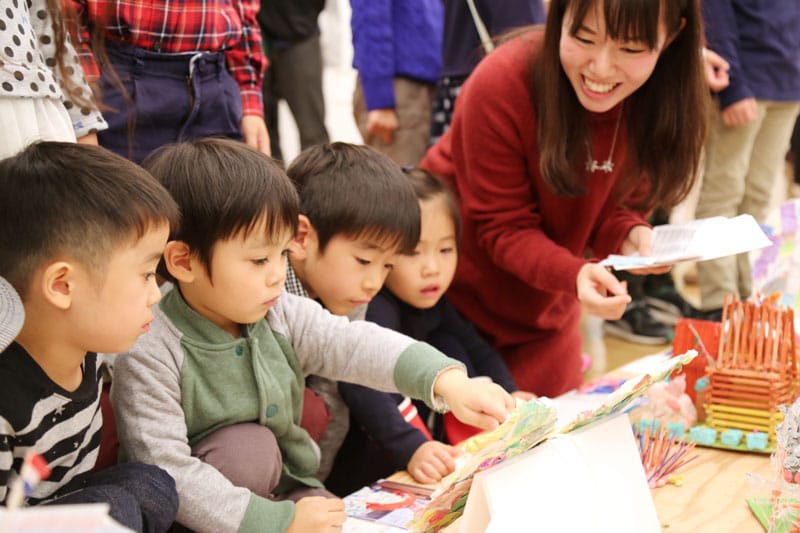
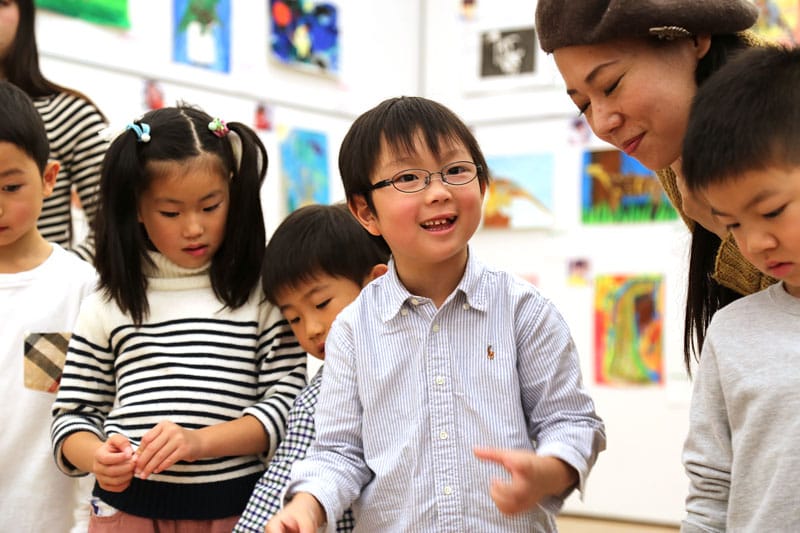
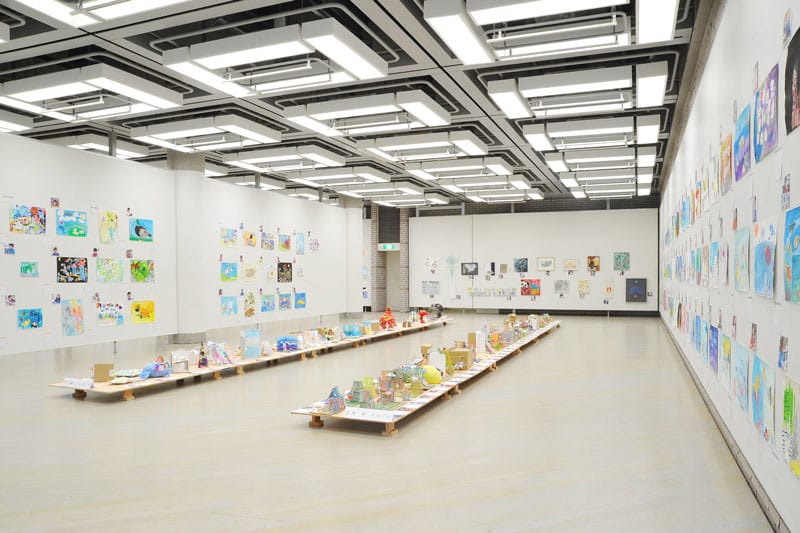
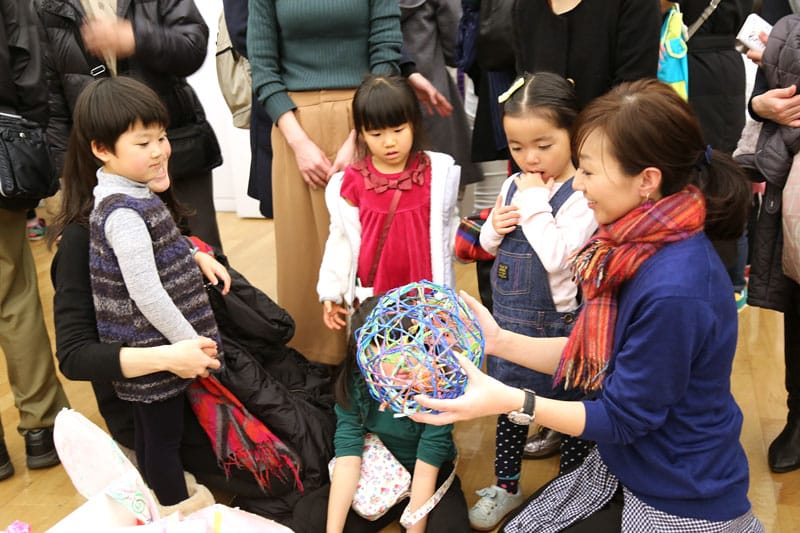
About the annual exhibition
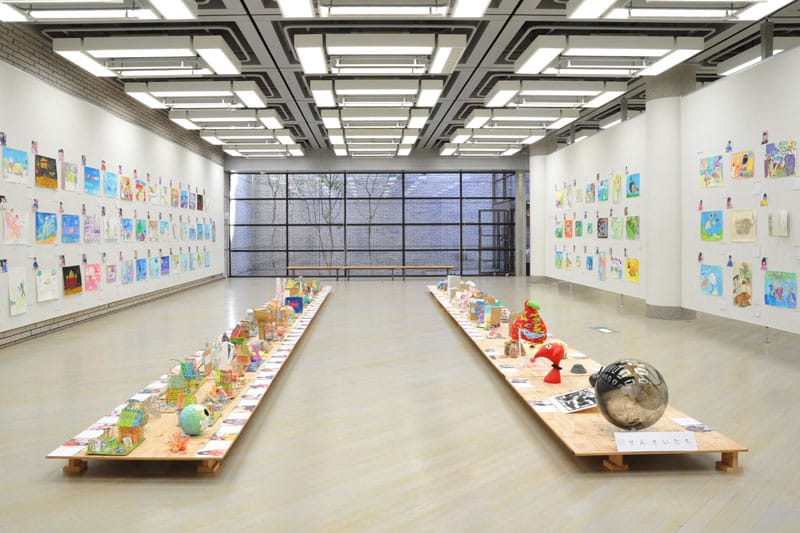
We want this exhibition to be more than a show: to mark the end of each year, we archive it and leave it in the form of a book, and since 2013 we have produced an exhibition catalog every year. We want the catalog and the exhibition to share the same structure, so the exhibition is designed with the catalog pages in mind: each work is accompanied by a portrait of its artist and a handwritten caption (title, comments and so on), bringing visitors closer to the makers’ thoughts than the works alone could.
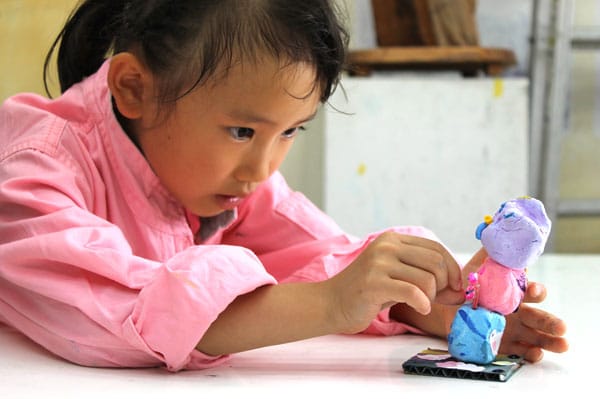
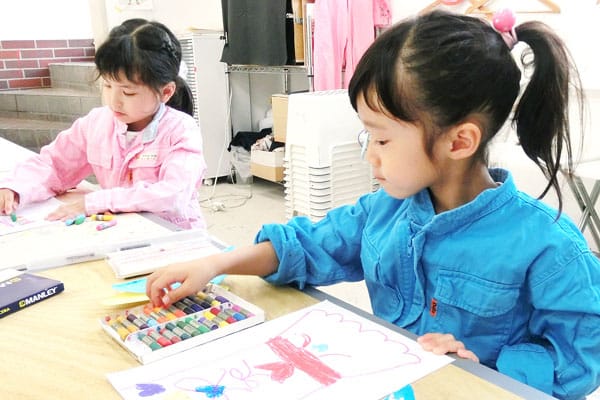
At their studios, GAJYUKU’s children keep up their creative work — painting, crafts and more — every week or every other week. Most projects take 1 or 2 weeks, but some are carefully finished over several months, and each project teaches different things. Even with the same project, the process and the learning focus change with age, so every finished work has its own story and its own shine.
Creating art — drawing and making — is great fun in itself, something children can lose themselves in. But showing finished works to others, together with the process and the thoughts behind them, is a vital element that also drives children to draw and make.
As with piano or ballet, a chance to present becomes a goal, and a joyful place to express feelings and communicate.
To everyone who draws and makes
I am your teacher — but secretly, you are all my teachers too.
That has nothing to do with age, or with whether you can draw well yet.
When you make things, I learn important things not only from your words but from your work and from the way you move as you make it. I think that’s why I can understand what matters when you make things, and what I should pass on. That’s how it feels to me.
Because you are here and I am here, I learn all sorts of things from each and every one of you — and I can pass all sorts of things on to you too.
Thank you so much.
On behalf of all the teachers
Instructor Chihiro Takeshita