
How GAJYUKU teaches
We value every child’s own ideas and images
In art education at kindergartens and schools, one teacher is responsible for a large class, and to fit lessons into limited time, the steps of making are laid out on a timetable. In other words, lessons work by having children follow set steps and methods by a set time.
Can children, in that kind of school setting, give shape to ideas and images born from their own free thinking? And can a teacher pay attention to what is happening on each child’s palette and paper?
We believe an artwork is the result of building up one step after another. Rather than making every child follow the same process, isn’t it by going through their own, different processes that richly individual expression is born?
What GAJYUKU values is paying proper attention to each child, listening to even the smallest things, and guiding them so they can give shape to what they feel.
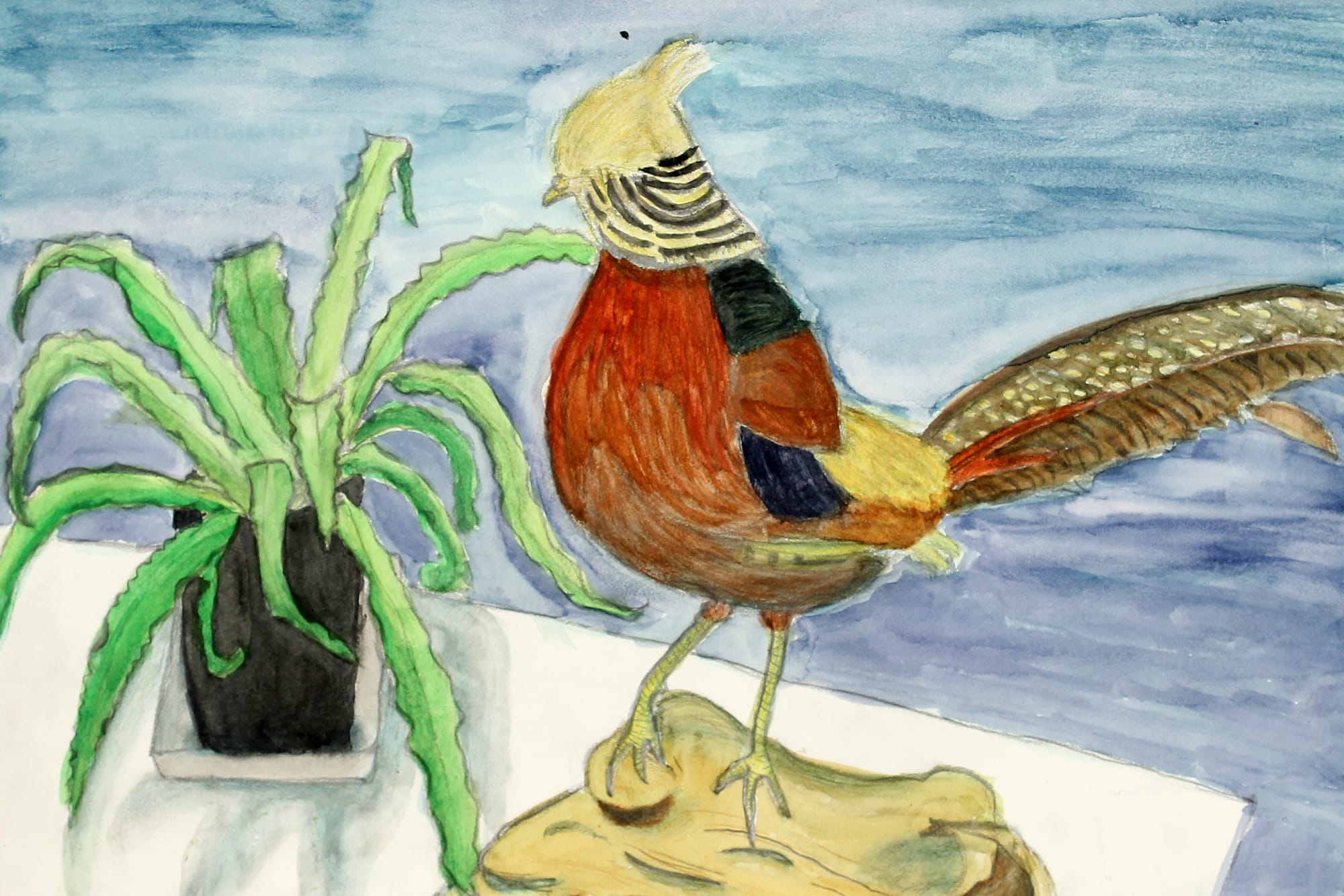
Sample works
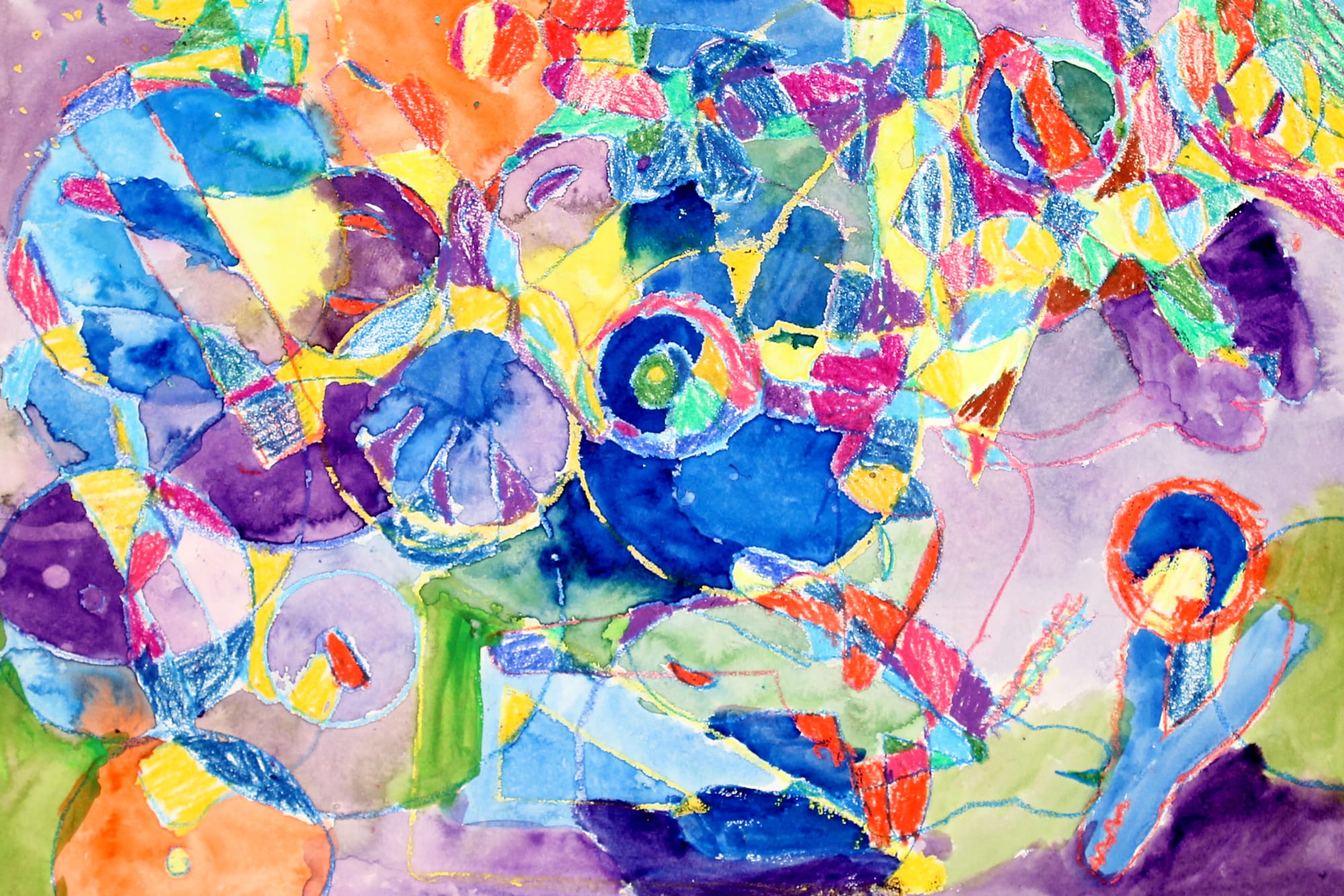
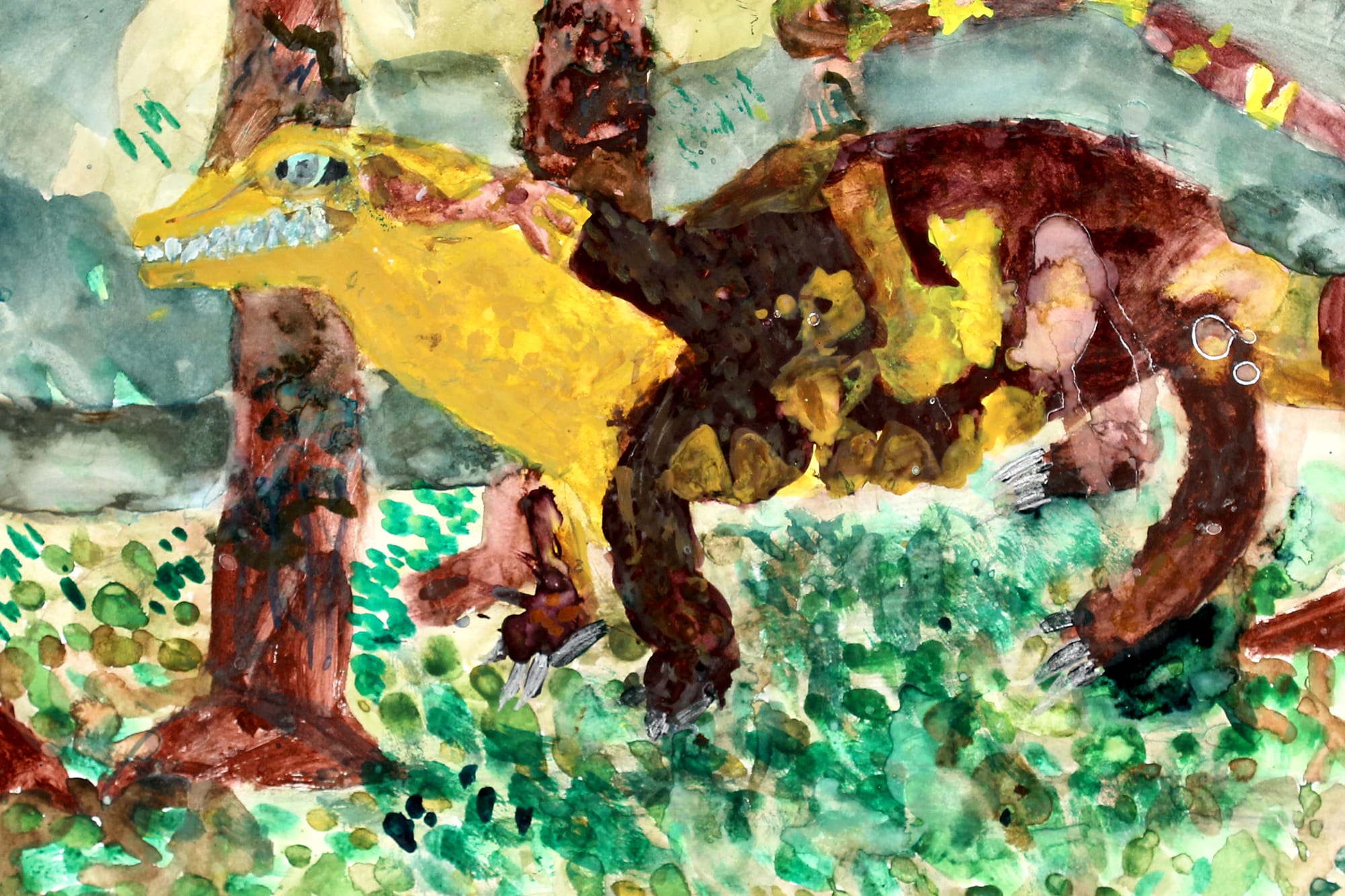

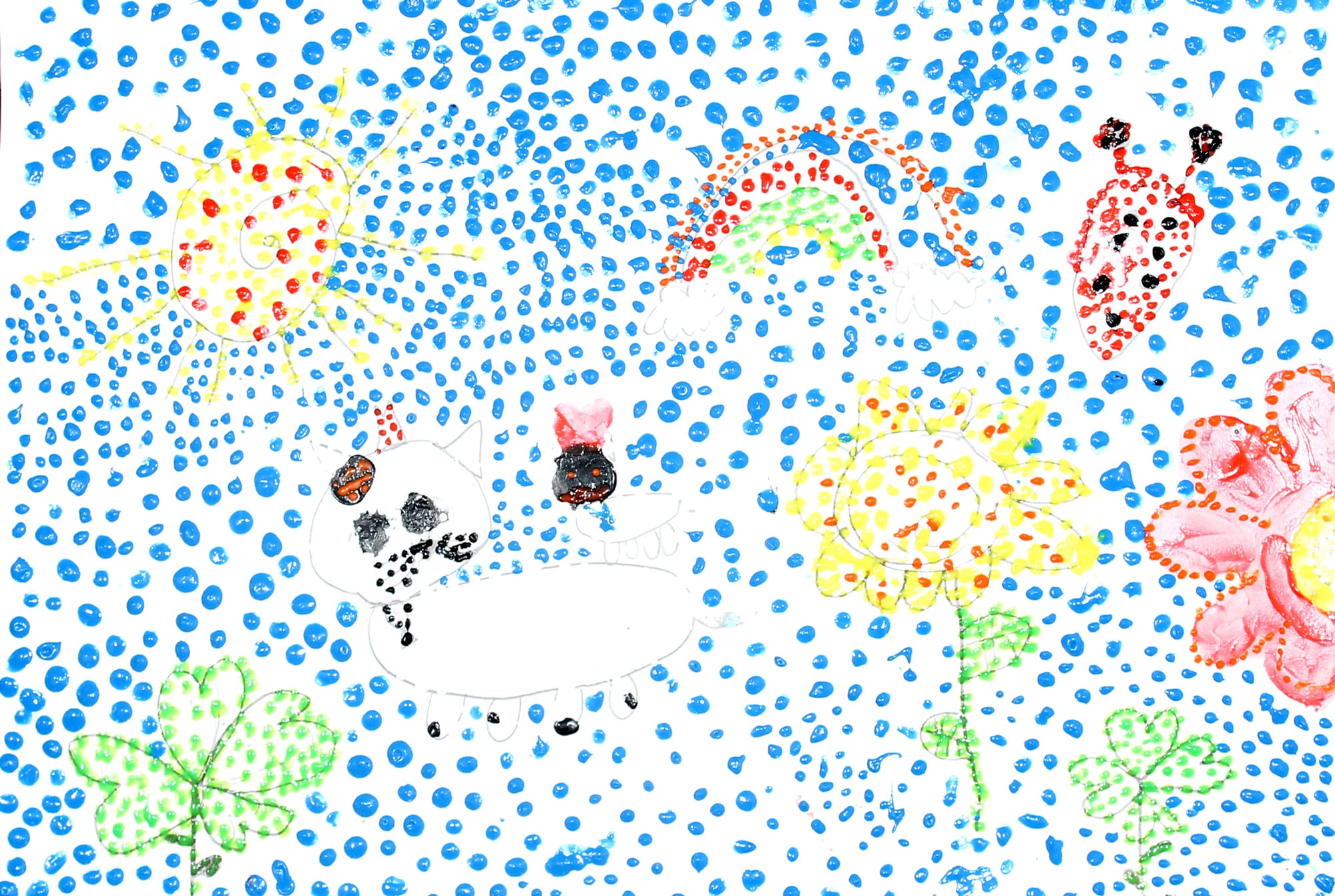
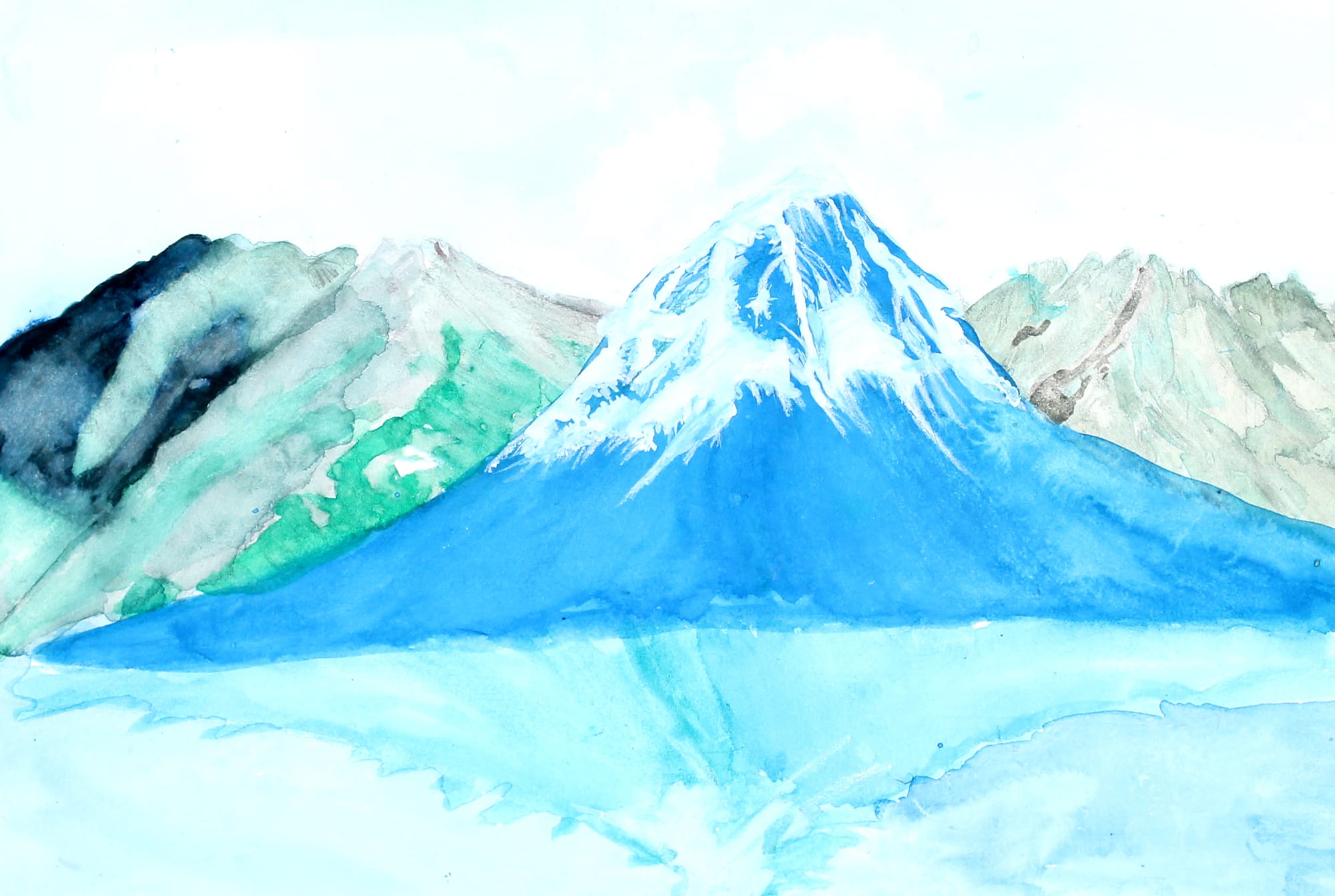

“GAJYUKU’s 7 Principles”
We value individuality — but we don’t simply leave children to it
Free thinking and a child’s own will — “I want to try it this way” — are vital in drawing and making. We treasure those feelings, but simply watching over children is not education.
Following 7 principles, GAJYUKU tailors its hands-on painting and 3D art teaching to each student, so they can gain the skills in form-making and the powers of observation and reflection needed to bring out their individuality.
(1) Children think about and prepare the tools they need themselves
Turning an image into form requires 3 elements: “idea,” “plan” and “action.” Before starting to make, children think through these 3 elements as they choose their tools.
(2) Observation is the foundation of painting and making
To draw and make, you need to know shape and color. That is why it is so important to look closely at, and observe, what you are trying to depict. So that children develop the habit of observing, we start by teaching a drawing posture built on “looking” and “drawing.”
(3) We don’t use white or black paint
Except in monochrome (black-and-white) drawing and watercolor, we don’t use white or black paint, crayons and so on, so as not to plant simplistic fixed ideas such as “light = white” and “shadow = black.” In transparent watercolor, white comes from the color of the paper itself, and brightness is expressed through the strength of the paint. Shadows have color too, and except in truly dark places, there is light even in darkness. White and black paint reduce that information about light and dark to a simple white-or-black.
(4) We focus on learning to control a single pencil and paints in the 3 primary colors
Pencils come in different grades from dark (soft) to light (hard), and paints come in sets of 12 or 24 colors. To use them freely, children need to understand and control shading through pencil pressure, how colors are built from the 3 primaries, and value, saturation and hue.
(5) Drawing is division
Not only in drawing but in all making — two-dimensional composition, three-dimensional work and so on — you can’t draw and make what you intend without knowing “the division of a picture.” When you decide where and how large to draw something on the paper, it is hard to fit it within that area if you simply add on bit by bit from one edge (or from the center). You have to grasp the whole sheet, lay out the area, and think of it divided into several parts. This “division of a picture” is very difficult, but we teach it over time and from many angles.
(6) We sharpen pencils with a craft knife
Pencils sharpened in a pencil sharpener are harder to draw with, so we sharpen them with a craft knife. Rather than keeping children away from craft knives as too dangerous, we teach them the correct way to use them and the dangers, so they can handle blades properly. Beyond craft knives, we teach children to use a wide range of tools and implements correctly and safely.
(7) We wear coveralls for safety
Coveralls don’t just keep clothes clean; they also protect children from unexpected injuries while working with various tools and materials. They may feel hot in summer, but we ask children to always wear them while working. Putting on coveralls also flips a switch, helping children focus on their work.
We use art materials that are safe for children
Our standard paints are “match paints,” made in Nagano Prefecture.
Match paints contain no harmful chemicals at all. Not only the paints but everything down to the containers and packaging is made only from materials that are kind to the body and the environment, so even small children can use them safely. They are watercolor paints carefully made by hand, crafted for vivid color and a smooth feel.
Source: match Co., Ltd.|About match
Our crayons are “Cray-Pas Thick” by Sakura Color Products Corporation.
- Cray-Pas made so children can draw freely and expansively.
- Their even softness allows free color mixing and layering.
- Thick and soft to suit children’s hands, they are hard to break and equally good for filling areas and drawing lines.
Source: Sakura Color Products Corporation|Cray-Pas Thick, 24 colors